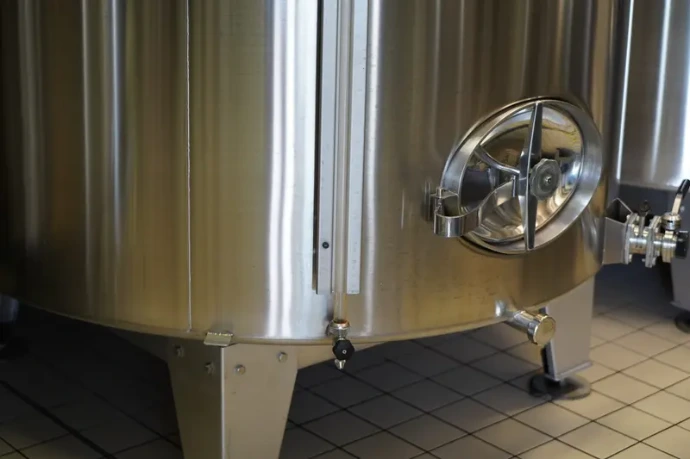
Non-Vintage
A blend of wines from several harvests, usually with a proportion of older reserve wine held back for the purpose. Blending across years evens out the weak ones.
- Built for a consistent style year after year
- The benchmark bottling for most producers
- No year printed on the label
The core styles
What the main terms mean
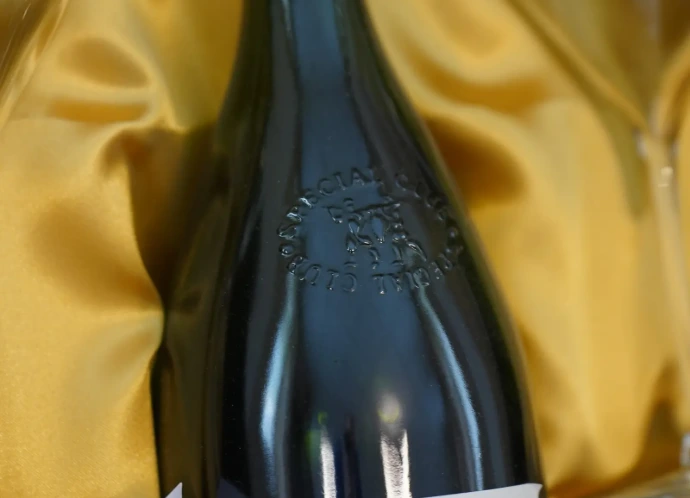
Vintage
Made entirely from grapes of a single harvest, and generally only declared in years the producer considers good enough. It is a statement about that specific season.
- Shows the character of one year, for better or worse
- Longer minimum ageing than non-vintage
- Not made every year
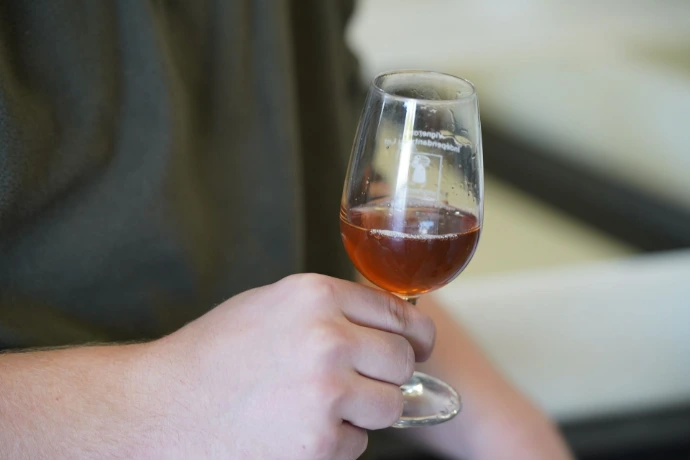
Rosé
Champagne is the rare region where blending red wine into white to make rosé is permitted — the assemblage method. The alternative is saignée, where juice is drawn off black grapes after brief skin contact.
- Assemblage: still red wine blended in, precise and repeatable
- Saignée: colour from the skins, deeper and usually more structured
- Expect red fruit — strawberry, raspberry, cherry
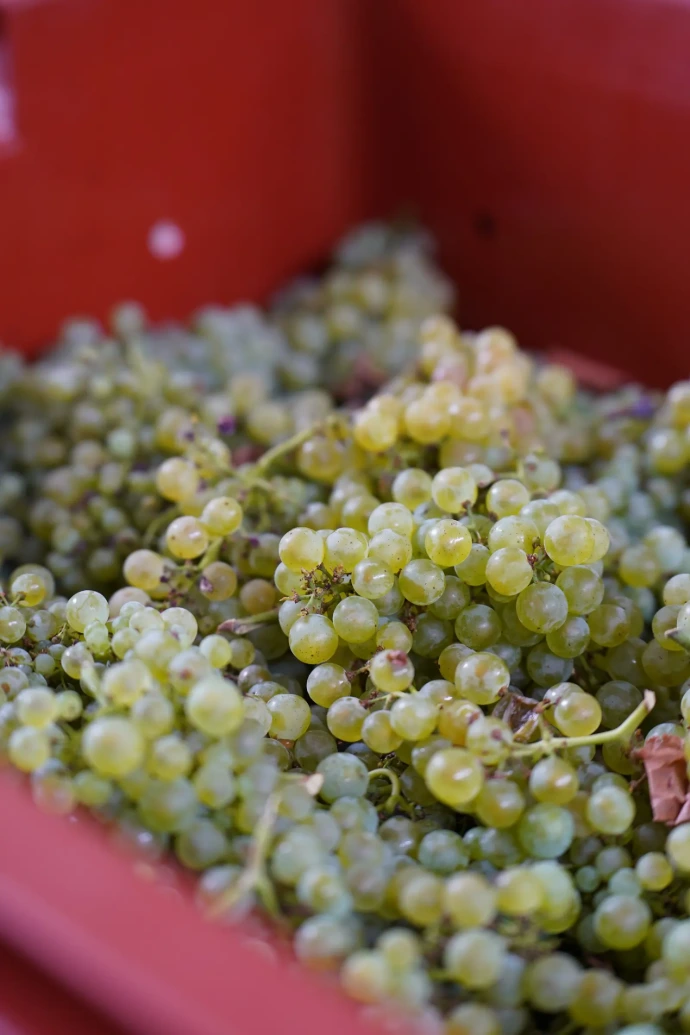
Blanc de Blancs
A white wine from white grapes only — in practice almost always chardonnay. Typically lean and tightly wound when young, with the acidity to age for a very long time.
- Citrus, white flowers, chalk; austere in youth
- High ageing potential — often the longest-lived style
- Classically from the Côte des Blancs
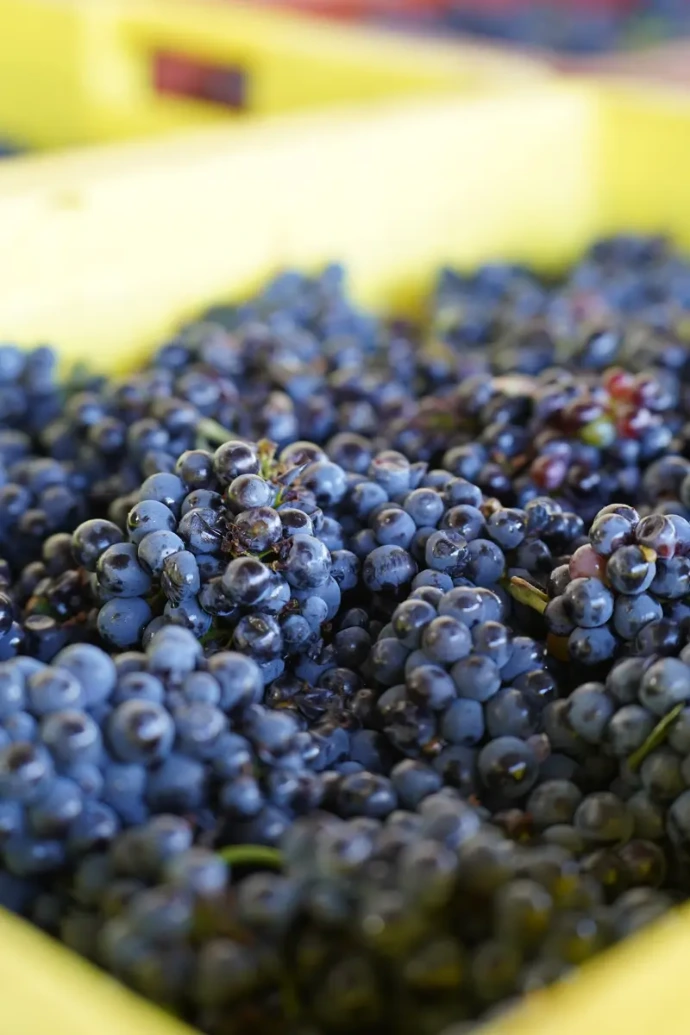
Blanc de Noirs
A white wine made only from black grapes — pinot noir, meunier or both. The juice is pressed off the skins immediately, so no colour is picked up.
- Fuller-bodied and rounder than blanc de blancs
- Tends to develop faster in bottle
- Orchard fruit, red-fruit hints, more weight on the palate
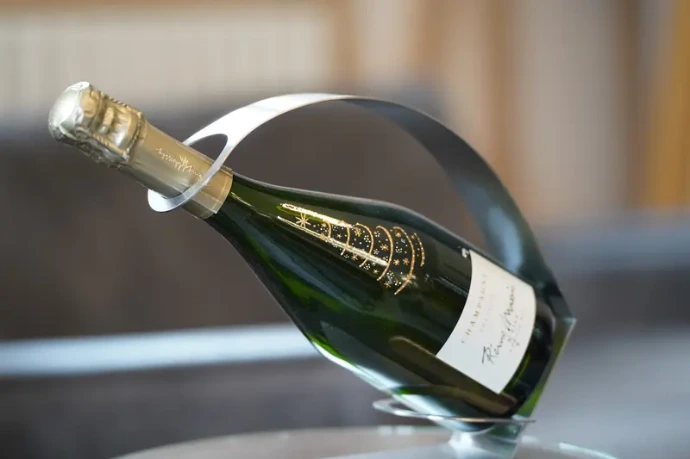
Prestige Cuvée
A producer's top bottling, usually from their best-rated parcels and with the strictest selection of fruit. It can be vintage or non-vintage, and some producers make more than one.
- Best plots, strictest grape selection
- Typically the longest lees ageing in the range
- Priced accordingly
DOSAGE
The sugar added after disgorging, in grams per litre
Dosage: how dry is dry
After the sediment is ejected, the bottle is topped up with a mixture of wine and a little sugar. That final addition sets the sweetness — and because champagne's acidity is so high, even a "dry" wine usually carries some sugar to keep it in balance. We print the exact figure on every product page.
Sec
17 - 32 g/L
Noticeably sweet. Uncommon today.
Extra Dry
12 - 17 g/L
Confusingly, sweeter than brut. Just off-dry.
Brut
0 - 12 g/L
The common style. Reads as dry; the sugar rounds the acidity.
Extra Brut
0 - 6 g/L
Very dry. Increasingly the default among growers.
Brut Nature
0 - 3 g/L
No sugar added. Bare, precise, unforgiving of a weak base wine.
Demi-Sec
32 - 50 g/L
Sweet. Works with fruit desserts and pastry.
Doux
50+ g/L
Properly sweet, and now very rare.
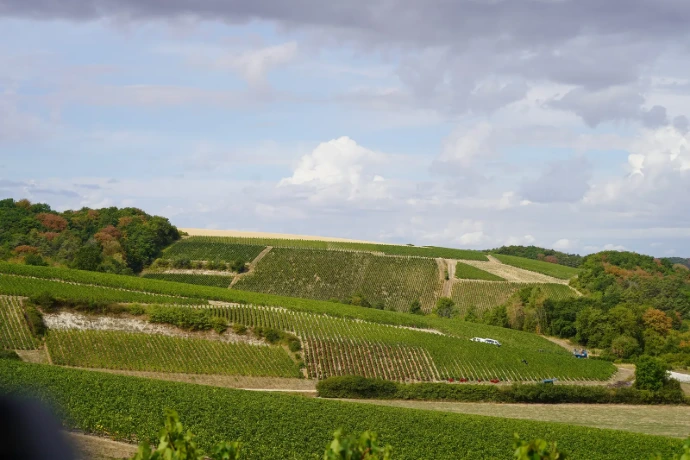
The Regions
Five subregions, each with its own soil, aspect and dominant grape. From the chalk of the Côte des blancs to the Kimmeridgian marl of the Côte des Bar.
Go deeper
Three things worth understanding before you buy
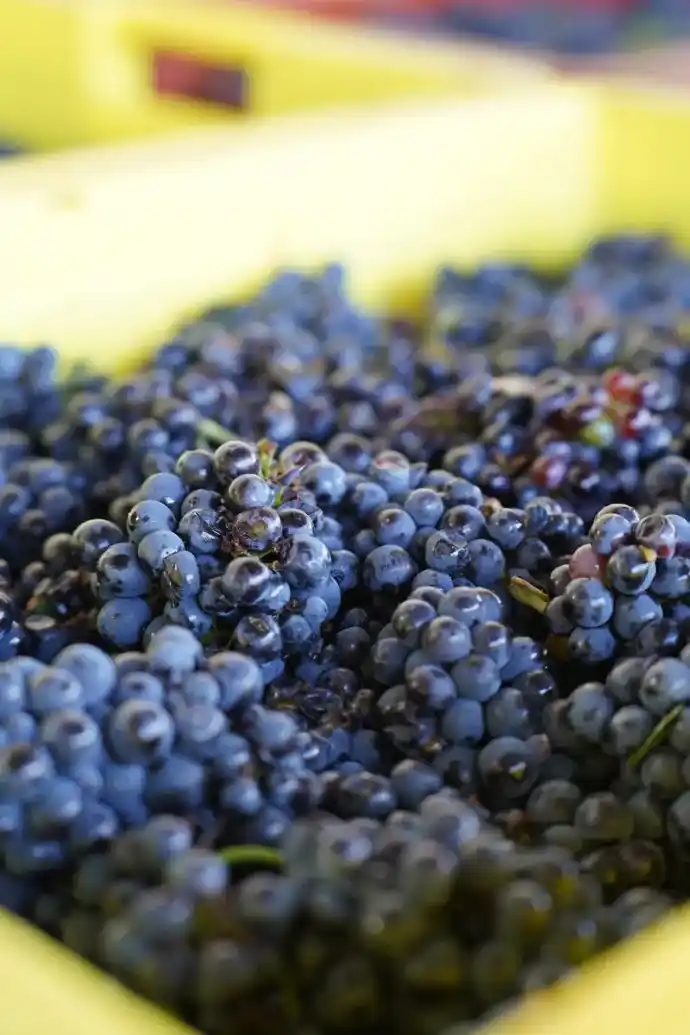
The Grapes
Pinot noir, meuniier and chardonnay make up over 99% of plantings. What each one contributes, the forgotten varieties still permitted, and how the vines are farmed