38%
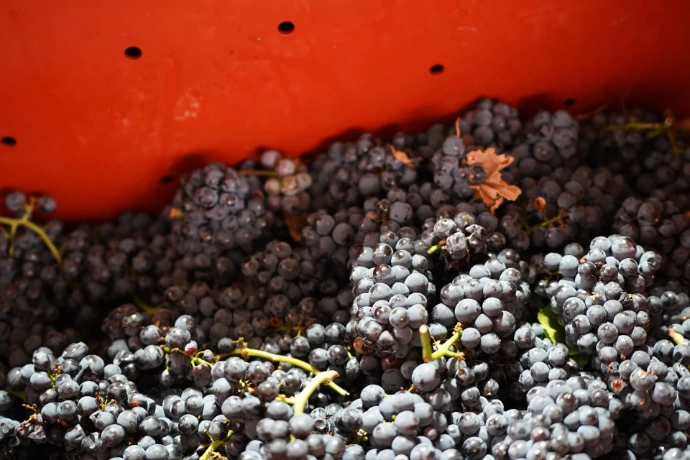
Pinot Noir
A black grape, and the backbone of most blends. It gives structure, body and a red-fruit core — the element that stops a champagne feeling thin.
- Buds and ripens early, so spring frost is a real risk
- Structure, weight and depth in the blend
- Dominant on the Montagne de Reims and in the Côte des Bar
The three that matter
What each one brings to a blend
31%
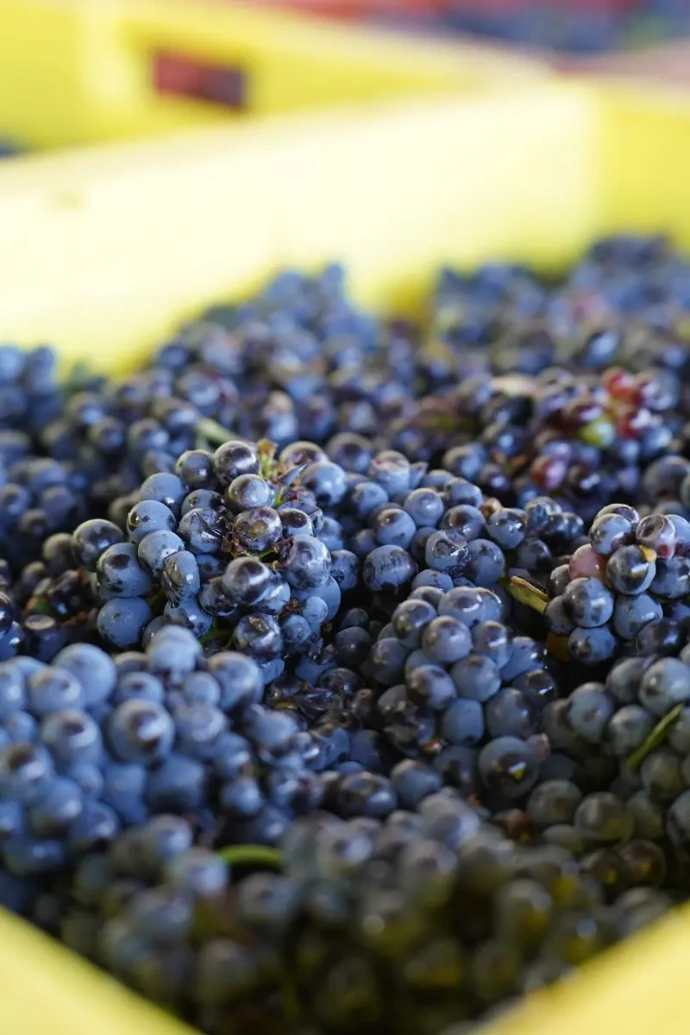
Pinot Meunier
A black grape and a mutation of pinot, long treated as the workhorse and increasingly bottled on its own by growers. Softer and fruitier, and it makes wine that is approachable young.
- Buds later than pinot noir and chardonnay, so it dodges spring frost
- Best on heavier clay soils; sensitive to botrytis
- Recognisable by the white, floury down on its leaves
31%
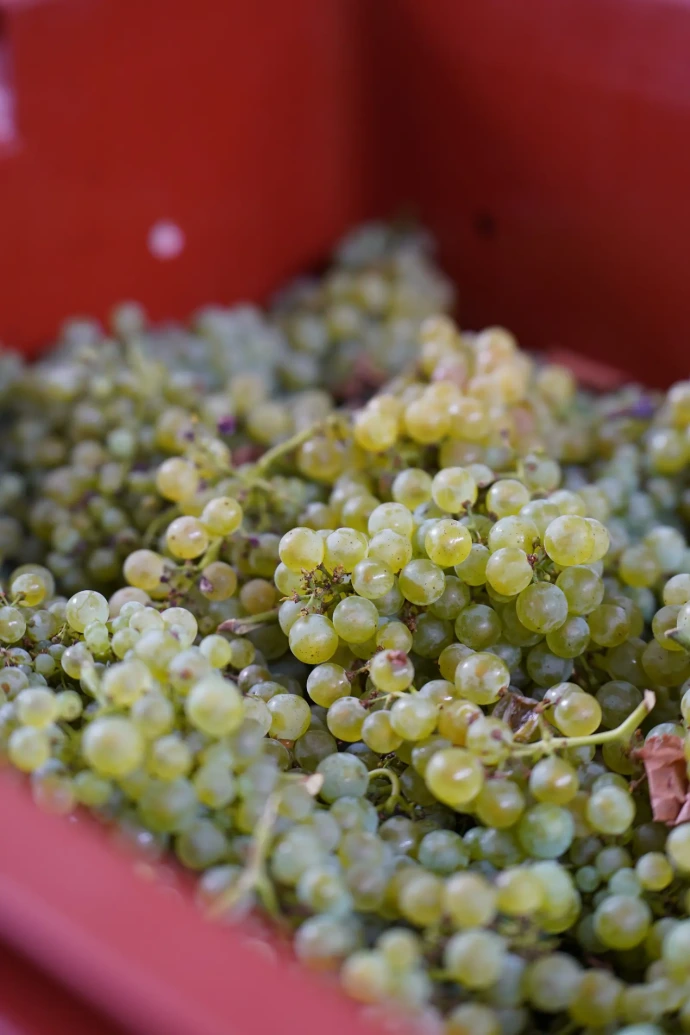
Chardonnay
The only widely planted white grape. It brings bright acidity, citrus and a mineral edge, and it is the variety with the greatest capacity to improve over decades in bottle.
- Buds early, so also frost-prone
- Citrus, white flowers, chalk
- The grape of the Côte des Blancs, and of blanc de blancs
The forgotten four
Before phylloxera and the replanting that followed, Champagne grew a wider range of grapes. Four survive in the rules and in a handful of old parcels — mostly in the hands of growers who kept them out of stubbornness or curiosity. A few producers now bottle blends of all seven.
WHITE
Petit Meslier
Sharp and green-apple fresh, holding acidity well even in warm years — which is making it quietly more interesting as the climate shifts.
WHITE
Arbanne
Highly aromatic and very high in acidity, with a floral, herbal character. Difficult to ripen, which is why it nearly disappeared.
Extra Dry
Fromenteau (Pinot Gris)
The local name for pinot gris. Gives weight and a faintly spiced, honeyed note. Found in only a few old plantings.
Brut
Pinot Blanc
A colour mutation of pinot. Rounder and softer than chardonnay, with orchard fruit and less acidity.
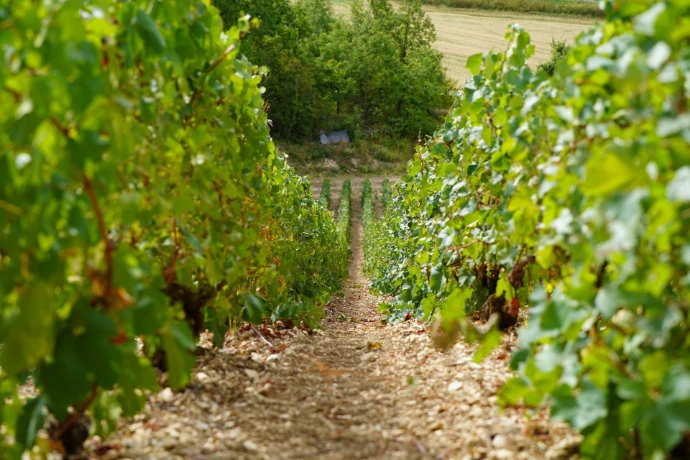
Density and spacing
Vines are planted tightly — around 8,000 per hectare — to make each one compete and limit its crop.
- Maximum 1.5 m between rows
- 0.9–1.5 m between vines within a row
- Rows and vines together may not exceed 2.5 m
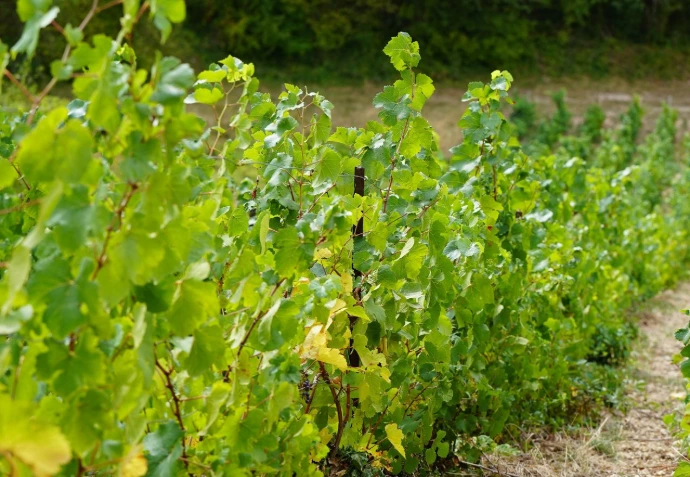
Four permitted training systems
Pruning has been regulated since 1938, with fruiting buds capped at eighteen per square metre.
- Guyot: cane-pruned, single or double, used for all three main grapes
- Vallée de la Marne: similar to Guyot but with more buds; less common now
- Taille Chablis: cordon-trained with three to five permanent arms, favoured for chardonnay
- Cordon du Royat: spur-pruned; the extra permanent wood helps against frost, suits pinot noir and meunier
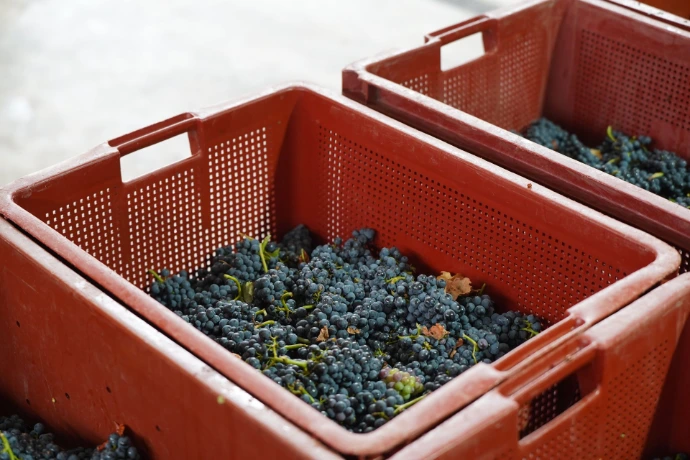
How the fruit is picked
Harvest rules exist to get whole, undamaged bunches to the press before anything starts to oxidise or colour the juice.
- Picking dates and maximum yields set regionally each year
- Whole-bunch harvest, by hand
- Collected in perforated crates, capped at 50 kg
- Minimum potential alcohol of 9%
- Pressed quickly at one of around 1,900 pressing centres
In the vineyard
Farming at the northern edge of ripeness
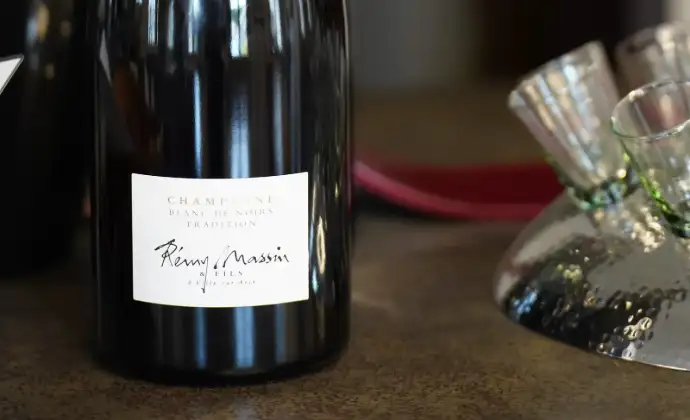
Styles of Champagne
Non-vintage, vintage, rosé, blanc de blancs, blanc de noirs, prestige cuvée and late release: what each term on the label actually promises, plus how to read dosage.
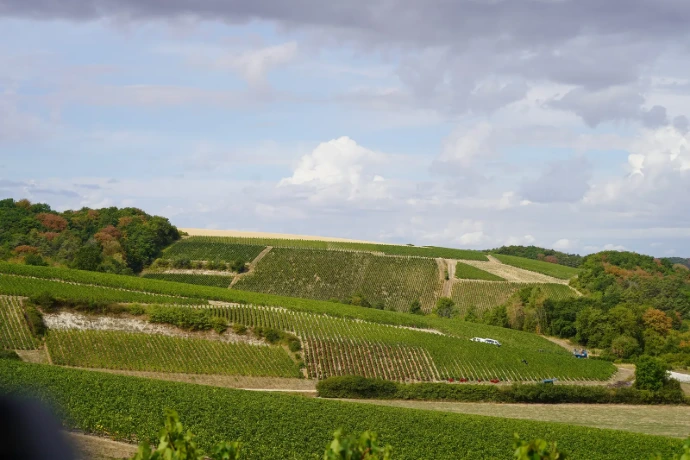
The Regions
Five subregions, each with its own soil, aspect and dominant grape. From the chalk of the Côte des blancs to the Kimmeridgian marl of the Côte des Bar.
Go deeper
Three things worth understanding before you buy